
Basement Waterproofing in Leeds: Protecting Victorian Back-to-Back Cellars from Rising Damp
Quick answer
How do you waterproof a basement or cellar in Leeds?
Most Leeds basements and cellars need a Type C cavity drainage membrane rather than tanking alone, because the city's back-to-back terraces sit on a mix of clay and sandstone, and clay-based streets in particular tend to hold a higher water table. Cavity drainage manages that pressure behind the wall and channels it to a sump and pump, rather than trying to block it outright, which is the more reliable long-term choice for many Leeds properties. We only confirm which system your specific cellar needs, and a real cost, after a free survey.
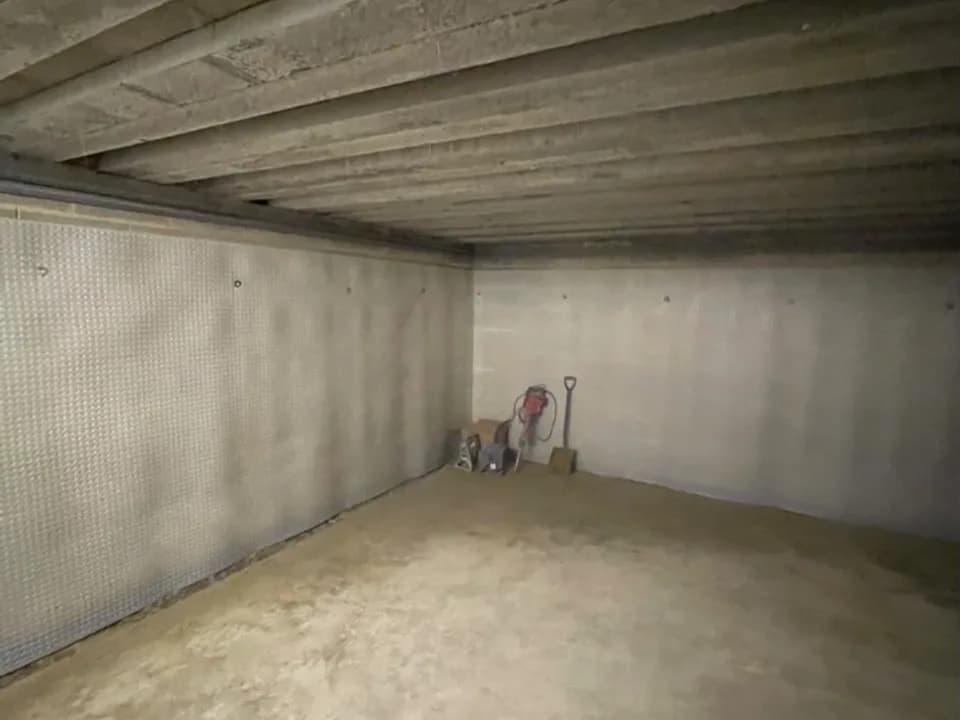
Leeds is home to thousands of Victorian back-to-back terraces, and underneath a huge number of them sits a cellar that has never had proper waterproofing beyond whatever coating the original builders applied more than a century ago. RM Lee Cellar Conversions travels out from our Hebden Bridge base for basement and cellar waterproofing jobs across Leeds, from the dense terraces of Armley and Beeston through to the larger villas around Headingley and Meanwood, because the fix a Leeds cellar needs depends on exactly where it sits. Leeds' geology genuinely varies street to street: parts of the city rest on clay, which tends to hold water and push it toward cellar walls, while other areas sit on sandstone with better natural drainage. That difference decides whether a simple tanking slurry will hold or whether the property needs a full cavity drainage membrane with a sump and pump to manage a genuinely high water table. We never guess this from a postcode. Every Leeds waterproofing job starts with a free, no-obligation survey where we assess damp, test the water conditions, and check the condition of any existing damp-proofing before recommending a system, so you get a specification that will actually last rather than one that looks fine until the next wet winter.
Also available
Other services we offer in Leeds
Cellar Conversions
Turn a cold, cluttered cellar into a room your family actually uses, from waterproofing to the final coat of paint.
Cellar Tanking
A cementitious tanking slurry coat, specified honestly, for cellars where it is the right fit rather than the easy sell.
Timber Treatment
Damp cellars attack timber quietly for years. We treat or replace affected joists once the underlying damp is fixed.
Questions
Leeds Basement Waterproofing FAQs
Leeds sits on a mix of clay and sandstone that changes block to block. Clay tends to hold groundwater and push it toward cellar walls, which usually points us toward cavity drainage. Sandstone drains better naturally, so a simpler tanking spec sometimes holds up fine. We test your specific property rather than assuming from the postcode.
Tanking is a cementitious slurry that physically blocks water at the wall surface. Cavity drainage uses a Type C membrane to manage water pressure behind the wall and carries it away via a sump and pump. On Leeds' higher water-table streets, cavity drainage tends to be the more durable choice, but we specify whichever your survey actually supports.
Waterproofing-only work in Leeds typically runs from around GBP 3,000 to GBP 9,000 depending on cellar size, the system specified, and access. That is a broad range because Leeds' housing stock varies so much street to street. We give you an itemised, fixed figure after the free survey, not a phone estimate.
No, in almost every case. Waterproofing alone does not change the footprint or external appearance of the house, so it falls outside planning control. Building regulations still apply if the waterproofing is part of a wider conversion into habitable space, which we handle as part of the job.
A standalone waterproofing job typically takes 2 to 4 weeks depending on the system specified and the cellar's condition. We give you a realistic schedule at survey stage once we know exactly what your Leeds property needs.
Yes, this is one of our most common Leeds jobs. Plenty of landlords and homeowners simply want a genuinely dry cellar for storage, with the option to convert it fully into living space later on the same waterproofed foundation.
A sump is a small chamber at the lowest point of the cellar floor that collects water channelled there by a cavity drainage membrane, and a pump removes it automatically, usually to an external drain. Leeds properties on clay or near old mill streams are more likely to need one; those on sandstone often do not. Our survey confirms which applies to you.
Most are to some degree. Victorian brick without a modern damp-proof course lets ground moisture wick upward, and Leeds' variable water table makes this worse on some streets than others. Once properly waterproofed, whether by tanking, cavity drainage, or a hybrid of both, a Leeds cellar stays dry permanently.
Yes, we hand over manufacturer-backed guarantee documentation for whichever system is fitted, useful for insurance purposes and for reassuring a future buyer that the work was done to a recognised standard.
Absolutely, and it is a common approach. Waterproof first as a standalone job, then convert to a bedroom, office or gym later once budget allows. The waterproofing is the foundation everything else in a conversion is built on, so doing it properly the first time saves you redoing it.
Signs include a musty smell, damp staining or white powdery efflorescence on brick or stone, flaking render, or standing water after heavy rain. Even a cellar that looks dry can be holding damp air that damages stored belongings or timber above. We can survey existing waterproofing and tell you honestly whether it can be repaired or needs replacing.