
Basement and Cellar Waterproofing in Yorkshire and Lancashire
Quick answer
How do you actually waterproof a Yorkshire cellar?
Most Victorian and Edwardian cellars in Yorkshire and Lancashire are best waterproofed with a Type C cavity drainage membrane rather than tanking alone, because it manages water pressure behind the wall rather than trying to hold it back completely, which suits our older, harder-working water tables. A sump and pump is fitted at the lowest point to carry any water away automatically. We survey first to confirm which system, or combination, your specific cellar needs before quoting a penny.
Damp is the single biggest reason Yorkshire and Lancashire homeowners write their cellar off as storage space forever. RM Lee Cellar Conversions fixes that properly, with cavity drainage membrane and sump pump systems designed for the water tables and stone construction found across Calderdale and the Aire Valley. Waterproofing is the first job on every conversion we do, and it is also a standalone service if all you want is a genuinely dry space for storage.
- Stops damp reaching stored belongings for good
- The essential first step before any habitable conversion
- Suited specifically to older Yorkshire stone and brick construction
- Sump and pump handle groundwater automatically, no manual intervention
The process
How this job actually runs
01
Damp Survey
We identify whether you are dealing with rising damp, penetrating damp, or groundwater pressure, and recommend the right system rather than a one-size-fits-all fix.
02
Membrane and Sump Fit
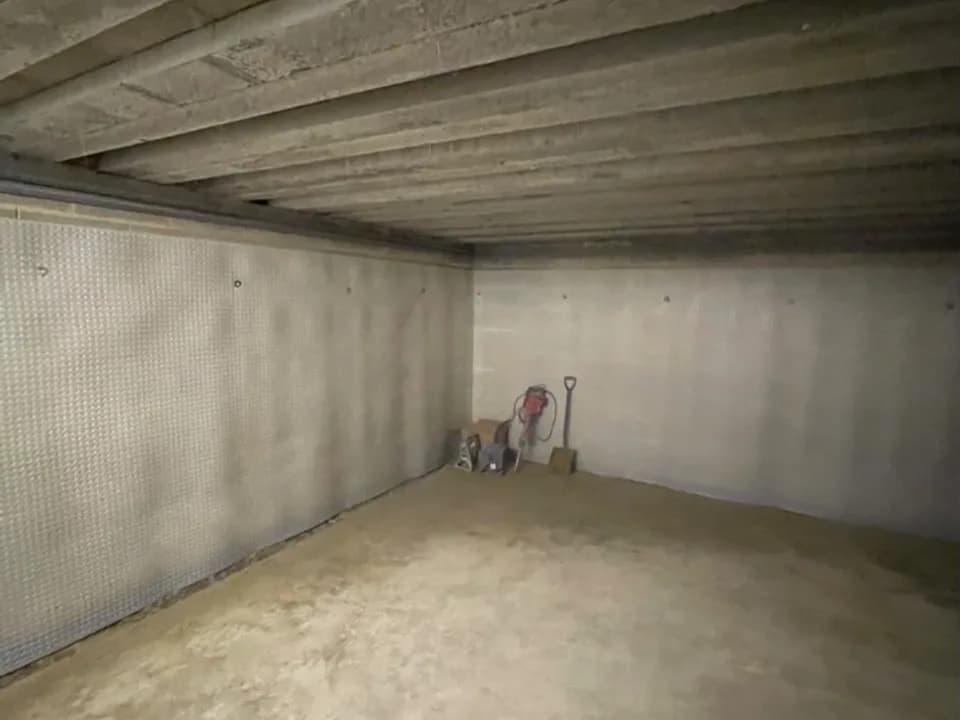
Cavity drainage membrane is fixed to walls and floor, channelling any water to a sump chamber and pump rather than fighting to block it entirely.
03
Testing
The system is tested under real conditions before we finish, not just signed off on paper.
04
Guarantee Paperwork
You get manufacturer-backed documentation for the system fitted, useful for insurance and for any future sale.
Related
Other services we cover
Questions
Basement Waterproofing FAQs
Signs include a musty smell, visible damp staining on walls, condensation, white powdery efflorescence on brick or stone, or standing water after heavy rain. Even a cellar that looks dry can be holding damp air that will eventually affect stored belongings or timber above, which is why we recommend a survey rather than waiting for visible problems.
A sump is a small chamber built into the lowest point of the cellar floor that collects water channelled there by a cavity drainage membrane, and a pump automatically removes it, usually to an external drain. It is an active system rather than a passive barrier, which suits properties with a genuine, ongoing water table.
A properly specified and fitted system needs minimal ongoing maintenance, though a sump pump should be checked periodically to confirm it is functioning, particularly ahead of winter. We explain what upkeep, if any, your specific system needs at handover.
Yes, waterproofing-only is one of our most common jobs. Plenty of homeowners simply want a genuinely dry cellar for storage, with the option of converting it fully to living space later on the same waterproofed foundation.
Waterproofing deals with water coming through walls and floors. Condensation is a separate issue caused by warm, moist air meeting a cold surface, and it is usually addressed with ventilation once the space is dry and, where relevant, being used and heated.
Less than most people expect. The membrane is fixed directly to existing walls and floor rather than requiring extensive excavation, so the job typically completes within days once the survey and specification are agreed, not weeks.
We hand over manufacturer-backed guarantee documentation for whichever system is fitted, useful for insurance purposes and for reassuring any future buyer that the work was done to a recognised standard.
In many cases yes, though it may mean removing some existing plaster or flooring to access the walls and floor properly. We will always be upfront if that is the case rather than fitting a system behind finishes that will mask a problem instead of fixing it.
Usually, yes, since a musty smell is most often caused by persistent damp. Once that is resolved and the space has proper ventilation, the smell typically clears within a short period.
We assess the water pressure your specific cellar is under, the construction of the walls, and how the property has behaved historically, then recommend whichever system will actually hold, sometimes a combination of both, rather than defaulting to whichever is quickest to fit.
Areas