
Cellar Conversions in York: Maximizing Space in Historic City Townhouses
Quick answer
What does a cellar conversion in York involve?
York cellar conversions range from GBP 20,000 to GBP 70,000 depending on the property age, conservation status, and water conditions. York's high water table (inherited from the Ouse Valley) means waterproofing is almost always needed, but many York townhouses have robust medieval or Georgian cellars perfectly suited to conversion.
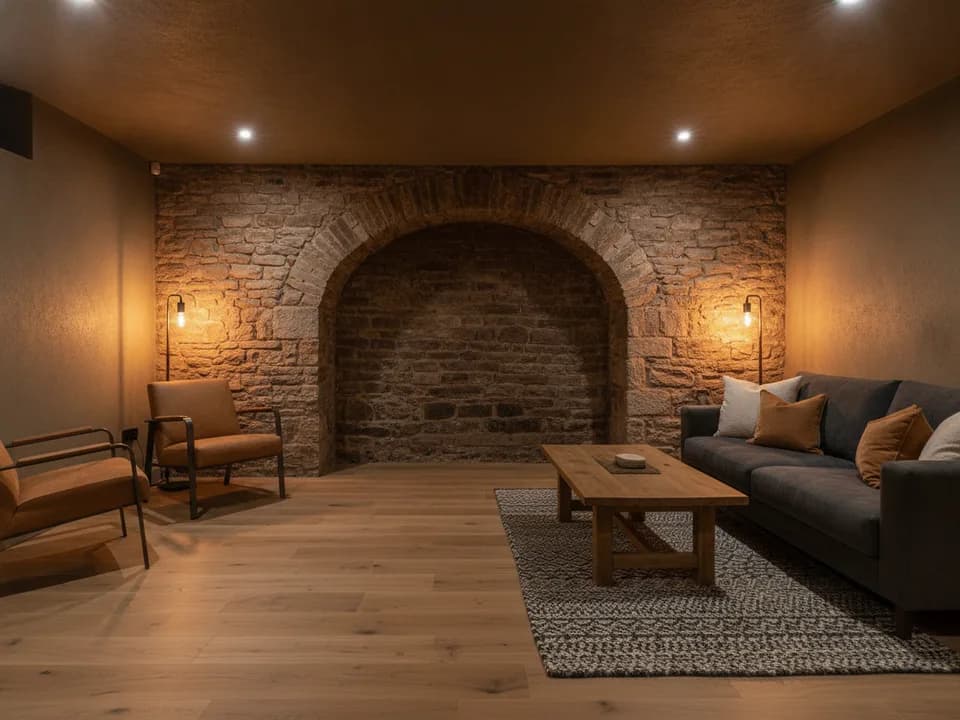
York's densely packed historic city centre, with Georgian terraces and Victorian townhouses clustered within the medieval walls, offers exceptional cellar conversion opportunities. Many of these properties, especially those in Clifton, Acomb, and closer to the Minster, were built with substantial basements designed for storage, servants' quarters, or business use. RM Lee Cellar Conversions understands York's specific challenges: the city sits in the Ouse Valley with a notably high water table, medieval and Georgian construction means listed-building considerations, and York's planning regime is particularly protective of the city's architectural heritage. We've successfully converted York cellars that date back centuries, working carefully with conservation officers to ensure modern living spaces respect original character. York's burgeoning property market, fuelled by rail-line improvements and corporate relocations, means inner-city space is at a premium, and a professional cellar conversion can transform a property's appeal and value. Our free survey includes York-specific research: whether the property is listed, whether it sits within a conservation area, the likely age and construction of the cellar, moisture testing across floors and walls, and assessment of York's groundwater patterns for your specific street. We then design a waterproofing and conversion strategy that meets York building control, conservation requirements, and modern living standards.
Also available
Other services we offer in York
Basement Waterproofing
A genuinely dry cellar starts here, cavity drainage and sump systems specified to suit Yorkshire's older housing stock.
Cellar Tanking
A cementitious tanking slurry coat, specified honestly, for cellars where it is the right fit rather than the easy sell.
Timber Treatment
Damp cellars attack timber quietly for years. We treat or replace affected joists once the underlying damp is fixed.
Questions
York Cellar Conversions FAQs
If your property is listed, yes, almost certainly. If it's in a conservation area but not listed, internal works may not need consent, but external alterations (new vents, door access) might. We check the status at survey and advise whether conservation consent is needed.
York's water table is notably high, sitting at or above cellar floor level in many properties, especially those near the Ouse or its tributaries. This makes waterproofing essential, and cavity drainage is often the right choice. Our survey includes moisture testing so we know your specific site's water pressure.
Yes, if the structure is sound. Medieval cellars are often built of stone with excellent mass and durability. Our structural engineer inspects for cracks, movement, or degradation. If it's stable, medieval cellars can be converted beautifully, especially if we expose and restore period features.
Creating a new habitable room in central York usually requires planning permission and, if listed, listed-building consent. We advise at survey whether your scheme likely needs both, and we can help you navigate applications if needed.
Conservation officers sometimes prefer certain waterproofing methods (e.g., physical systems over chemical damp-proofing) to preserve the building's historic fabric. We coordinate with conservation and choose systems that both protect your cellar and satisfy heritage requirements.
Medieval and Georgian cellars often have small vents already; we typically enhance these with modern extractor fans controlled by humidistat. In conservation areas, vent styling matters, so we coordinate with conservation to ensure any new vents are sympathetic to the property's character.
Building control fees in York range GBP 300-1,000 depending on scheme complexity. Listed buildings sometimes require additional inspections. We factor building control costs into project quotes and coordinate all inspections.
Possibly, depending on the property's location and conservation constraints. Cellars beneath retail or commercial premises sometimes offer business expansion opportunities. We assess feasibility at survey and advise on planning and conservation requirements.
Add 8-12 weeks for conservation consent to our standard timeline. So a project that would normally take 12-14 weeks might run 20-26 weeks once you factor in planning and conservation approvals. We schedule design and consent applications in parallel to save time where possible.
Not particularly. York's high water table often means cellars are damper than places like Harrogate with better natural drainage. However, York's solid Georgian and medieval construction responds extremely well to cavity drainage, so once waterproofed, they dry completely.
Listed-building breaches can result in enforcement action and requirement to make good. We never start work without confirming consent is in place. Our survey includes conservation status so you know upfront whether consent is needed.
In York's premium city-centre market, a professional conversion of a historic cellar often adds 5-15% to value, especially if the final space respects the property's character. A GBP 50k conversion on a GBP 400k townhouse can easily justify a GBP 20-40k value uplift.