
Cellar Tanking in York: Honest Advice for a City with a Genuinely High Water Table
Quick answer
Is tanking alone enough for a York cellar?
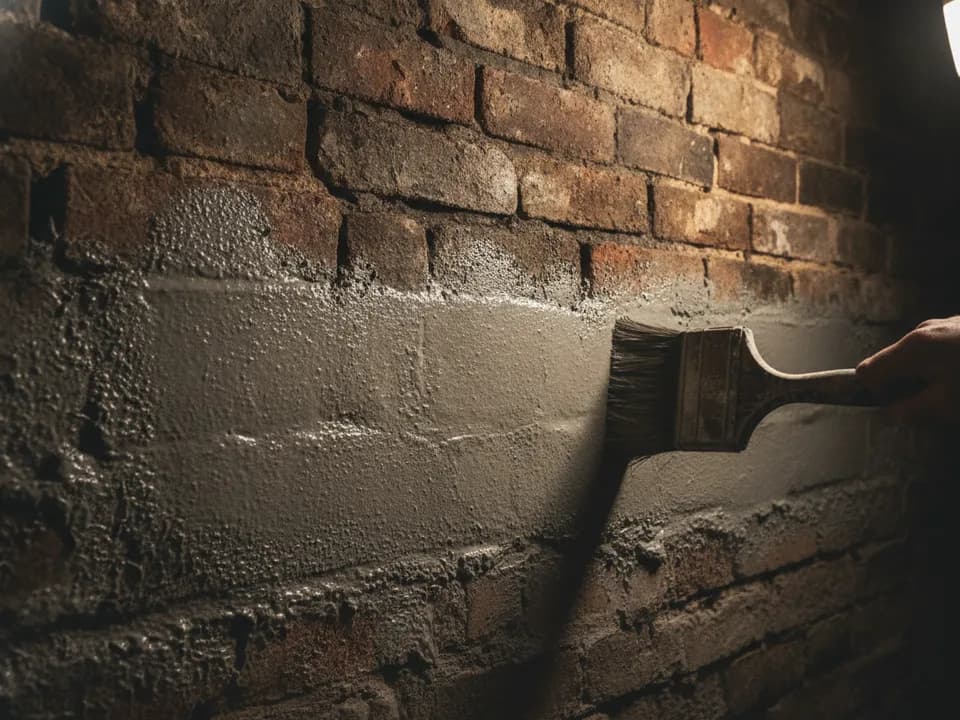
Often not on its own. York sits in the Ouse Valley with a notably high water table, sitting at or above cellar floor level in many properties, especially those near the river or its tributaries. Tanking works by physically blocking water rather than managing pressure, and sustained hydrostatic pressure of the kind common in York can eventually force a purely tanked surface to fail. We will tell you honestly when your property needs cavity drainage instead, or tanking combined with a drainage channel, rather than selling you tanking because it is the cheaper job to fit.
York's densely packed historic city centre, with Georgian terraces and Victorian townhouses clustered within the medieval walls, has some of the most characterful cellars we assess anywhere on our patch, and also some of the most water-challenged. The city sits in the Ouse Valley, and its water table is notably high, which means a straightforward tanking job that would hold for decades in a hillside Calderdale town can fail within a couple of winters here if it is applied without proper assessment. RM Lee Cellar Conversions has a specific approach to York tanking: we survey thoroughly, including moisture testing across floors and walls and an honest read of your property's groundwater exposure, before ever recommending tanking alone. Many York cellars, particularly those set back from the river or built on slightly raised ground within the walls, do respond well to a properly prepared tanking slurry. Others, especially those close to the Ouse or its tributaries, need tanking combined with a perimeter drainage channel, or a full cavity drainage membrane instead, because the sustained water pressure would otherwise win. York's conservation status also matters: many properties are listed or sit in a conservation area, and conservation officers sometimes prefer certain waterproofing methods to preserve original stonework, which we factor in from the first survey rather than as an afterthought.
Also available
Other services we offer in York
Cellar Conversions
Turn a cold, cluttered cellar into a room your family actually uses, from waterproofing to the final coat of paint.
Basement Waterproofing
A genuinely dry cellar starts here, cavity drainage and sump systems specified to suit Yorkshire's older housing stock.
Timber Treatment
Damp cellars attack timber quietly for years. We treat or replace affected joists once the underlying damp is fixed.
Questions
York Cellar Tanking FAQs
York's water table sits notably high because of the city's position in the Ouse Valley, at or above cellar floor level in many properties near the river or its tributaries. Tanking physically blocks water rather than managing pressure, and sustained hydrostatic pressure of that kind can eventually force a purely tanked surface to fail. We assess your specific water pressure before recommending tanking on its own.
We test moisture and assess groundwater exposure at the free survey. Properties set back from the river or on slightly raised ground within the walls often respond well to tanking. Properties close to the Ouse or its tributaries usually need tanking combined with a drainage channel, or cavity drainage instead. We tell you honestly which applies to your property.
If your property is listed, likely yes for any work affecting original fabric. If it sits in a conservation area but is not listed, internal tanking work usually does not need consent, though external changes might. We check status at survey and advise whether consent is needed before work starts.
Yes, if the structure is sound. Medieval cellars are often stone with excellent mass and durability, and Georgian cellars are typically solid brick. Our structural assessment checks for cracks or movement first. If stable, tanking or cavity drainage can be applied without disturbing period character, and we often expose rather than hide original stonework.
It depends on wall condition and the product specified, but multiple coats are standard practice to build a continuous barrier. On York's older stone walls with uneven or crumbling mortar joints, more surface preparation is often needed before the slurry is applied at all.
Signs include damp patches reappearing on the wall, flaking or blistering render, or a musty smell returning after a dry spell. This is common in York because the original coating, sometimes over a century old, was never designed to cope with sustained groundwater pressure. We can survey existing tanking and tell you honestly whether it can be repaired or needs replacing with a different system.
Not usually for internal tanking work, which rarely needs consent. Conservation officers sometimes have a preference for physical waterproofing systems over certain chemical damp-proofing methods, to preserve the building's historic fabric. We coordinate with conservation from the outset so the specification satisfies both waterproofing performance and heritage requirements.
Tanking alone typically runs GBP 40 to GBP 80 per square metre, though many York properties need it combined with a drainage channel, which adds cost. Where cavity drainage is the safer choice instead, expect GBP 80 to GBP 150 per square metre. We give a fixed, itemised price after survey, not a phone estimate.
Cementitious tanking slurry needs proper curing time between coats and before any finishing goes over it. We build that time into the schedule rather than rushing it, since curing too fast is one of the most common reasons tanking fails prematurely, and a York cellar under real water pressure has less margin for error than most.
Yes, and it is common here. Where tanking handles the wall surface but there is any doubt about residual water at floor level, a small sump acts as a backup, particularly useful for cellars close to the Ouse. We assess whether this belt-and-braces approach is worth the added cost for your specific property.
We specify tanking honestly, only where the survey shows it will actually hold, and we say so plainly when York's water table means cavity drainage is the safer long-term choice instead, even though it costs more upfront. We would rather lose a tanking sale than watch a York cellar fail two winters later.